The magnitude 9.0 earthquake that struck Japan on March 11, 2011, combined with the catastrophic tsunami resulted in emergency shutdowns at numerous Japanese nuclear power plants. At the Fukushima Daiichi power plant, a loss of electricity allowed three reactors to overheat, endangering all the nearby civilian population. Despite multiple attempts to cool down the reactor with sea water, partial meltdowns of the reactor cores have occured. The environmental damage can't be fully understood at this time. People are taking precautions in their struggle to combat the negative effects of the radiation. Learn more on the nuclear disaster in this short documentary.

Prikazani su postovi s oznakom environment disaster. Prikaži sve postove
Prikazani su postovi s oznakom environment disaster. Prikaži sve postove
2/05/2012

1/27/2012
Great Sparrow documentary
The campaign against sparrows was initiated by Mao Zedong, the President of China. Officially, the Four Pests campaign was one of the most significant actions in the Great Leap Forward from 1958 to 1962. The four pests designeated for elimination were rats, flies, mosquitoes, and sparrows. The activities did improve the harvest at first, but later on locusts swarmed the country and contributed to the famine. This documentary shows how the Great Sparrow campaign was executed.
1/19/2012
Great Smog of London documentary
The citizens of London learned a hard lesson about the effects of air pollution on December 5, 1952. As people shoveled coal into their stoves, they had no idea that a tragedy would occur shortly. Vast amounts of smoke exited the chimneys, which in combination with light winds and moist air created a thick, toxic smog. The phenomena caused several thousands of deaths from pneumonia, bronchitis, tuberculosis or heart failure during the following week. Learn more information in this three part documentary.
1/02/2012
Pollution in China documentary
The pollution in China caused by the increased developement is becoming more and more important as the Chinese society struggles with the consequences. The first part of the documentary explores many aspects of Chinese culture, from food to festivals, to dragons and tigers. Second part revolves around pollution issues and damage caused to waterways and farming.
12/27/2011
Exxon Valdez documentary
Watch the documentary on initial action to contain the spill and general response to the disaster. The Exxon company completely refused to communicate openly and effectively during the events. Lawrence Rawl, Exxon Chairman at the time, was suspicious of the media and when asked for an interview on TV, he responded that he had no time for that kind of thing. The Mayor of Valdez John Devens commented how the community felt betrayed by inadequate response to the crisis, in contrast to the promises given.
11/22/2011
Pollution in China - part II
More than 500 million Chinese people use water contaminated by industrial waste as their primary resource. The negative health results are clear in the huge number of gastrointestinal cancer deaths in industrial regions. Almost all national lakes and rivers are polluted to a certain extent. According to a Chinese government report, 70 percent of rivers, lakes and waterways are seriously polluted and some without fish, and around 80 percent of the water from rivers is not fit for human consumption. Most common water pollution source is industrial waste, chemical fertilizers or raw sewage. It accounts for 50 percent of the $69 billion of pollution related losses every year. Read more about pollution in China... You can also watch a short documentary on Chinese growth on youtube, first part dealing with cultural differences and the second part concerning the water pollution effects.


Return to: Pollution in China
11/20/2011
Pollution in China
China prioritized economic development over the environment for several years, which resulted in the most polluted skies and waterways on the planet. A major industrial power was created at the expense of environment. The country relies heavily on coal and is the world's leading CO2 emitter. In 2008, China contributed 22% of global emissions, followed by the United States with 20% of emissions. Industrial cities are usually wrapped in a gray shroud, so thick that people don't see the sun. The children are getting sick from lead poisoning or other types of local air pollution. Read more about the pollution in China... You can also watch a short documentary on Chinese growth on youtube, first part dealing with cultural differences and the second part concerning the water pollution effects.


11/14/2011
Exxon Valdez oil spill
Tanker Exxon Valdez ran aground on Bligh Reef shortly after leaving Valdez, which resulted in a large oil spill with devastating consequences for the environment. Exxon Valdez hull was ruptured and nearly 11 million gallons of crude oil spilled into the ecosystem on March 24, 1989. With high winds spreading the oil, booms set in place proved inadequate to prevent the disaster. The most serious problem that caused the oil spill was insufficient crew on board of Exxon Valdez. The ship left the usual lane and tried to go around the coming icebergs, but in an effort to get back the necessary maneuver was poorly executed. Another important problem was the malfunctioning radar due to poor maintenance. The spill struck the coast stirred with life destroying birds, fish, and everything that got in the way. Find out more information about the Exxon Valdez disaster here. You can also watch a short documentary of the disaster timeline on Youtube.


10/23/2011
Fukushima nuclear accident
On March 11, 2011, an undersea earthquake of 9.0 magnitude hit Japan. It was the most powerful known earthquake to hit Japan and among the five most powerful earthquakes in the world. The epicenter was approximately 70 km east of the Oshika Peninsula of Tōhoku, created a devastating tsunami with a catastrophic effect on the nearby coast. The massive wave shattered the cooling systems at the TEPCO nuclear plant in Fukushima, causing hydrogen explosions and reactor meltdowns. Evacuations of those living within a 20km radius of the plant were taken and extreme measures in order to prevent complete nuclear disaster. Read more about the development of Fukushima nuclear accident here...


10/20/2011
London smog
The weather in London had been unusually cold for several weeks leading up to the Great Smog disaster. Because of the cold weather in 1952, the households were burning more coal than usual to keep warm. Over one million of home stoves in combination with the emissions from industry surrounding the city released into the atmosphere massive amounts of smoke. A light fog dominated the city on December 5, but that was nothing unusual. As night came a combination of light winds, cool air and high humidity at ground-level formed a thick fog. Temperature inversion made the phenomenon motionless and it started to mix with chimney smoke, which contained toxic sulfur-dioxide, making the Great Smog. Read more about the aftermath of the event here...


10/14/2011
Deepwater Horizon oil spill
Because of the high standards imposed on oil industry, oil spills occur rather rarely. In 2010 Deepwater Horizon, an offshore rig 396 feet long and 256 feet wide, experienced a series of damaging malfunctions which endangered entire drilling operation resulting in the biggest oil spill in the history. A well control event allowed hydrocarbons to escape causing explosions in which eleven people lost their lives and 17 others suffered from various injuries. The fire continued for 36 hours until the rig sank. All that time oill was released into the sea and started heading towards the shore. Read more about the horrible ecological disaster that unfolded...


10/11/2011
Easter Island deforestation
It seems hard to imagine that once upon a time the Easter Island was actually covered with trees, wildlife flourished and the inhabitants lived in harmony with nature. Today the giant stone heads are all that is left of the native society and a shocking reminder about the consequences of deforestation. The climate in ancient times included rich forests with the tall Easter Island Palm. This large palm was used for building homes, canoes and in the construction of statues. Around 1400 overharvesting the palm and other trees made the island vegetation scarce. In result there was significantly less rainfall and vital natural resource for construction was permanently lost. Rats ate the palm seeds and added to the problem considerably. Read more on how the ancient civilization destroyed itself...


10/08/2011
The Chernobyl nuclear disaster
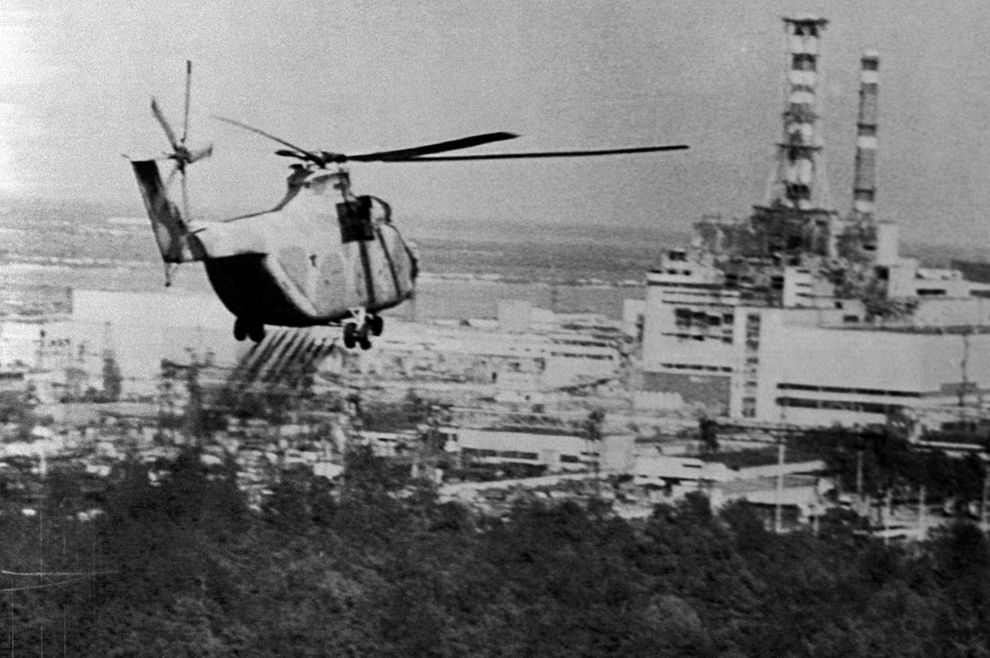
The Chernobyl nuclear power plant had four working reactors. The incident happened on April 26, 1986, when operators of the power plant ran a test on an electric control system at the reactor number four. There was a sudden power output surge which prompted an attempt of emergency shutdown. A reactor vessel ruptured and a series of explosions followed. The disastrous sequence of events destroyed the Chernobyl 4 reactor, killing 30 operators and firemen within three months and several further deaths later. The resulting fire sent a plume of highly radioactive smoke into the atmosphere spreading over large parts of the western Soviet Union and Europe. It is considered as one of two worst nuclear crisis in history, classified as a level 7 event on the International Nuclear Event Scale. Find out more about the Chernobyl disaster...




10/04/2011
Bhopal disaster - part II
The gas cloud was composed mostly of materials denser than the surrounding air, so it was clearly visible. That fact also helped it to stay close to the ground and spread outwards through the surrounding community, making heavy damage on everyone who got in the way. The initial effects of exposure were coughing, vomiting, severe eye irritation and a feeling of suffocation. When the panic started, many people were trampled to death trying to escape. Literally thousands of people had fallen victims of the deadly gas cloud by the next morning. There were mass funerals and cremations, while some of the bodies were disposed in the Narmada River. Read more about the Bhopal disaster aftermath here. You can also watch a short documentary on Youtube. Warning, some pictures are quite graphic!


Return to: Bhopal disaster - part I
10/03/2011
Bhopal disaster
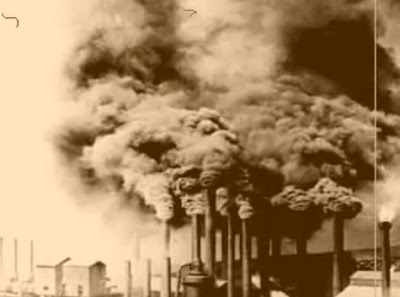
The Bhopal Disaster of 1984 is widely regarded as the worst industrial disaster in human history. It has shown a concerning high level of vulnerability to industrial crises of developing countries. The disaster in India involved a massive chemical leak from a methyl isocyanate processing plant, resulting in a toxic cloud of dangerous chemicals flowing through the densely populated areas around the plant. Over four thousand people were killed and hundreds of thousands crippled with life-long symptoms. It all happened on the night of December 2, 1984 at the Union Carbide India Limited pesticide plant in Bhopal, Madhya Pradesh, India. Read more about the incident here. You can also watch a short documentary on Youtube.




9/22/2011
The Aral Sea problem - part II
In the Soviet Union massive amounts of water were diverted for irrigation of cotton and the lake suddenly began to shrink dramatically. Soviet planners found cotton to be the perfect candidate for export in the Aral Sea region, being often refered to as white gold. The Kara Kum Canal opened in 1956, diverting more water from the Amu Darya into the desert of Turkmenistan and millions of hectares of land came under irrigation after 1960. The entire region's once prosperous fishing industry has been essentially destroyed, bringing unemployment and economic hardship. By the 1980s commercial fish was eliminated entirely, which in effect shut down over 60,000 jobs. In addition to the water problem, the soil also became contaminated because of the large amount of pesticides used and biological weapons tests conducted on the site. Read more about the disaster consequences here.


Pretplati se na:
Postovi (Atom)